
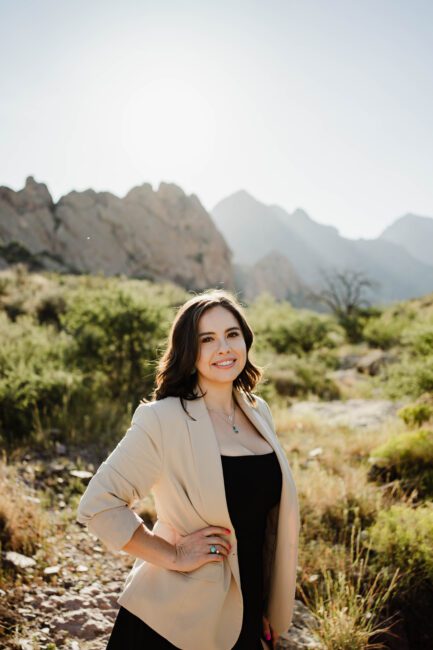
Ashley Beyer ’13 is the southern New Mexico regional director for U.S. Senator Martin Heinrich, specializing in policy issues related to agriculture, conservation, public lands, natural resources, the military, and space.
Read on to learn about her motivation to serve the people and places of New Mexico.
as told to Elaine Stachera Simon
Have you always been interested in nature and wildlife?
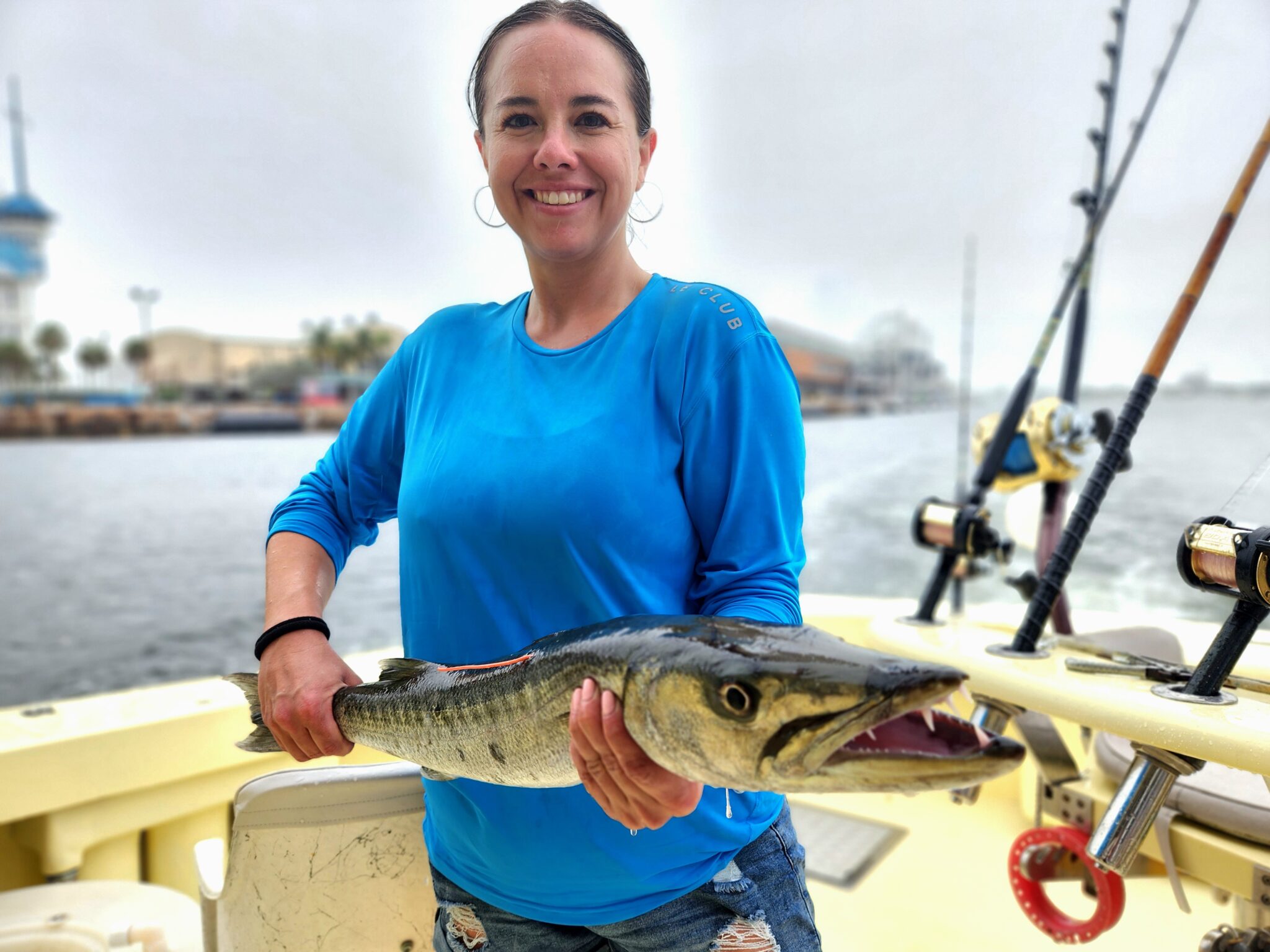
Yes, from the time I was a child! Our family didn’t have much money, and vacations were out of the question. But my best memories are fishing at Caballo Lake, Elephant Butte, and along the Rio Grande, as well as hiking and hunting in the Gila Wilderness and Lincoln Forest. My sense of self really developed with a connection to the land.
Today, getting outdoors keeps me centered and grounded on the days when my job is stressful and hard on the soul. As a hunter, I’m involved with Artemis, the National Wildlife Federation organization that advocates to increase women’s representation as hunters and anglers in outdoor and conservation leadership. I’m no longer in a leadership position with Artemis, but I still help train ambassadors, provide briefings on public lands issues, things like that. I’ve connected with women from so many different backgrounds across the country with unique stories about their cultural or spiritual connection to the land and hunting and fishing. These women absolutely need to be at the table where decisions are being made, and that’s what Artemis is all about.
How did you choose NMSU?
I was a first-generation student; in fact, many in my family didn’t graduate high school. But I knew education was important, and I knew I’d have to pay my own way. So, I had to be realistic about what I could pay for myself. Honestly, NMSU made it possible for me to get an education that would have been out of reach otherwise.
One thing that made my time at NMSU so special was that my mom, Margarita Apodaca ’10 ’13, attended NMSU at the same time. We spent hours studying together! And I’ll never forget Dr. Taggart. I got my first bad grade from him! But it was a good learning experience.
Working for an elected official was not part of my plan when I started at NMSU. I thought I’d work in ag business or ag education. But I started to notice people who complained about the way things were but didn’t do anything about it. I realized if I’m not going to advocate for what I think is right, who will? I had become a real policy nerd thanks to my government classes, and my professional goal switched to working in the policy space, although I didn’t know where that would be.
What do your workdays look like?
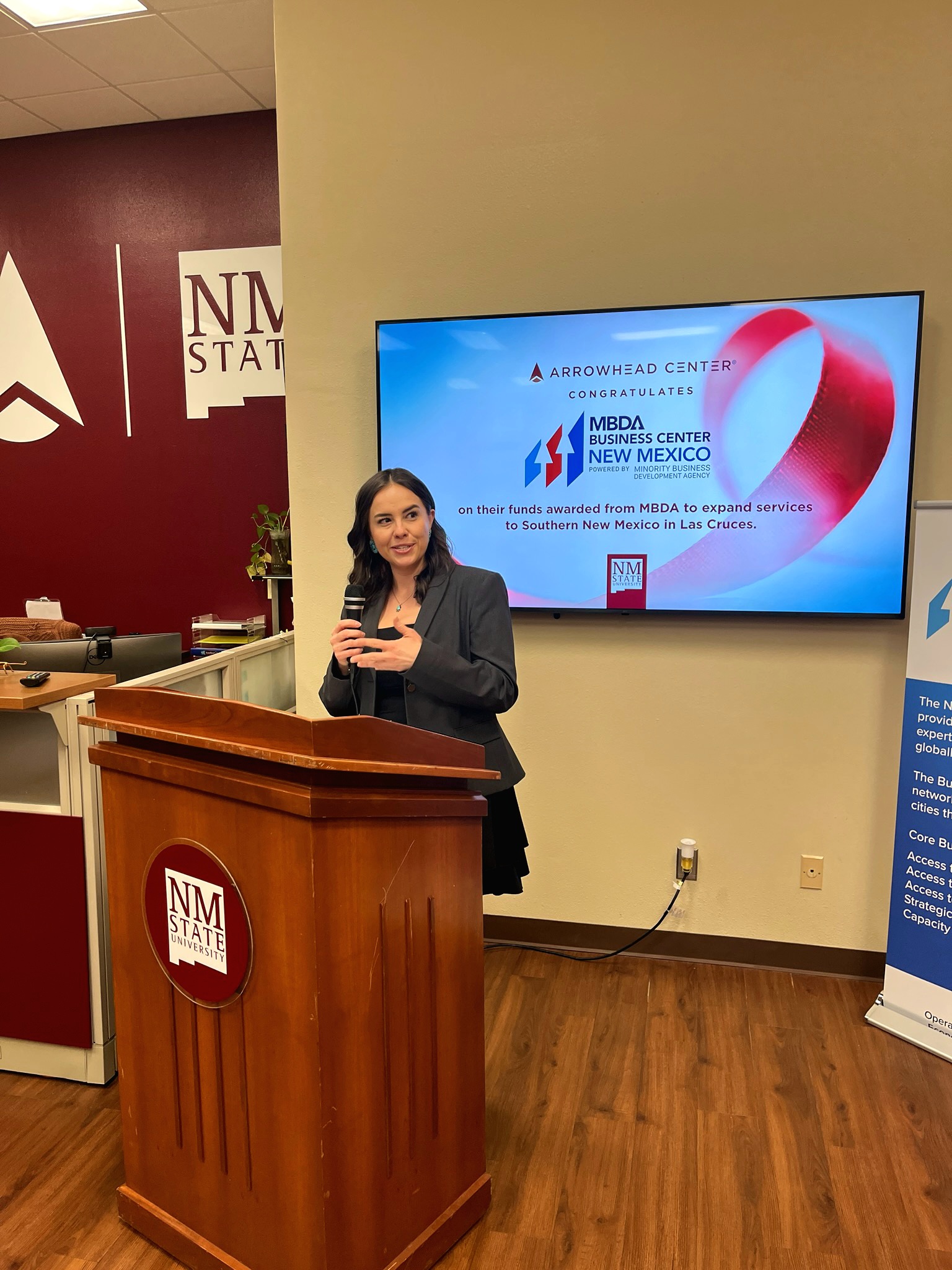
My days are driven by the needs of New Mexicans, and I spend much of my time meeting with elected officials, organizers, and sometimes just whoever I run into at the store.
I also spend a lot of time on natural resources work. Public lands, water, and agriculture are big issues in New Mexico, and every day I work on something important in one of those spaces. As the aridification of our land continues, the challenges are going to get worse.
One of the biggest parts of my job is working with project and policy stakeholders, and, for the past couple of years especially, that has included disaster response and planning for both fire and flooding. A lot of work is going into wildfire mitigation and watershed restoration, as well as figuring out resources for smaller governing bodies in rural areas — not just money after the fact, but proactive disaster plans.
Resilient agriculture is another area in which I do a lot of work because the cost of doing business has changed. For example, we need to be able to produce the same or more with less water; we can’t continue to operate as we have and expect better results. So, we’re bringing ranchers, farmers, and researchers together to work on agricultural practices that account for our decreasing water supply and promote healthy soils.
A good example of what the stakeholder process can accomplish is the expansion of the ZiaMet New Mexico network of weather stations, which are operated by NMSU. Farmers brought this issue to us because they were unable to purchase insurance or access USDA programs because there weren’t enough weather stations across the state to accurately record drought data. Some counties had no weather stations at all! This clearly was a significant problem, because with aridification and drought combined with increasingly severe monsoon events because of the changing climate, collecting accurate data is critical for farmers. We worked with stakeholders to prioritize investment in the ZiaMet network and leveraged congressionally directed spending (through the Senate Committee on Appropriations, of which Senator Heinrich is a member) for state funding. The weather stations are now up and running in every county and having the expected positive impact on farmers. This type of on-the-ground success makes me incredibly proud.
In a nutshell, the key part of our team’s work is to identify solutions to problems — and then work relentlessly on our constituents’ behalf to make solutions happen. I approach this work with humility and empathy.
What is most satisfying about your work?
I get to work on issues I deeply care about. I feel like it’s my duty to do what I can to give back to the land that has given so much to me. My way of contributing is solving some problems and making this state and our land a little bit better for my kids and their kids.
What are you most proud of?
Watching my girls as they form their own opinions and challenge their family and friends!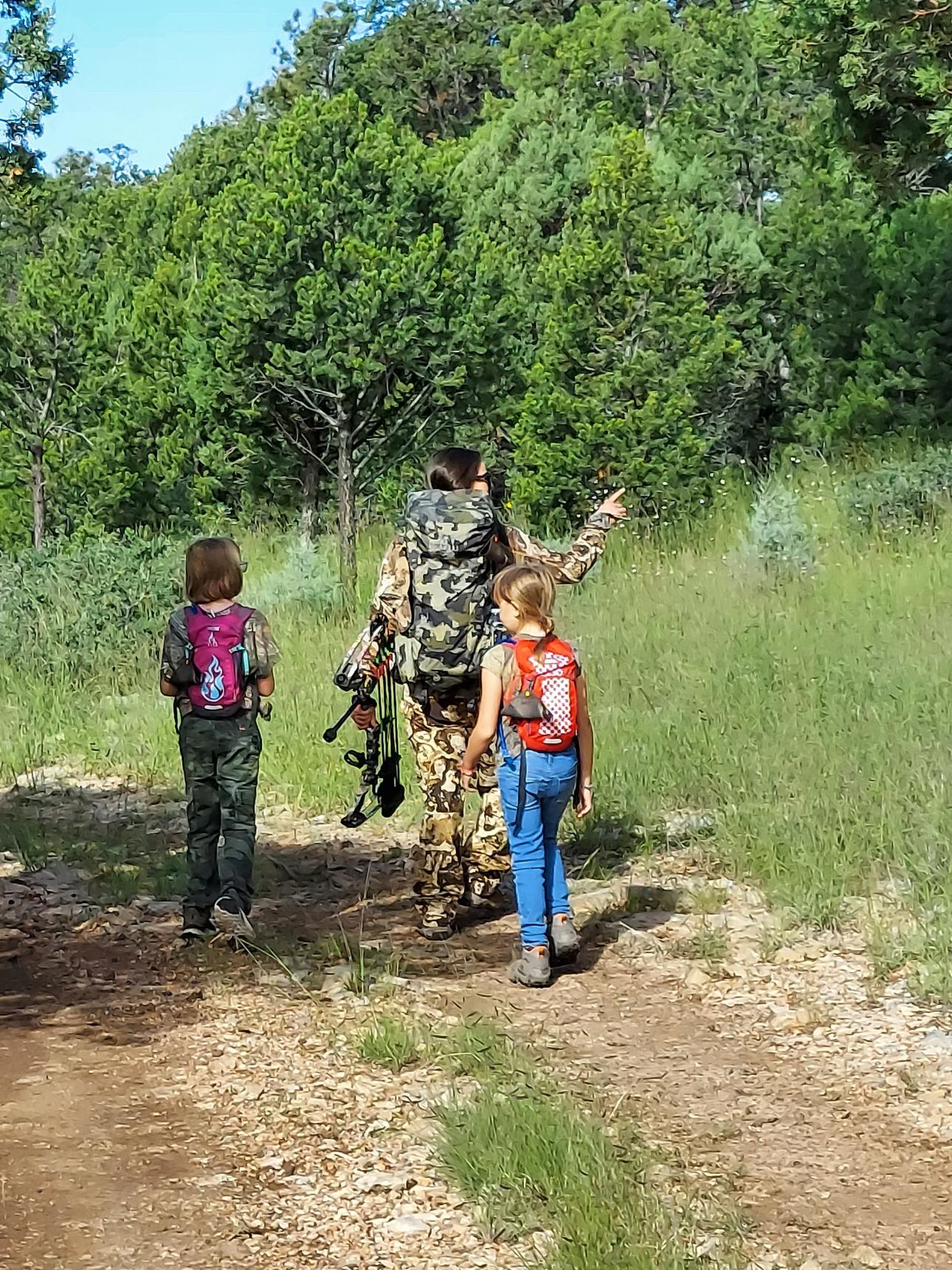
I’m also proud to support women in finding their own strength to take up space at the table. Far too many women sit back instead of taking earned leadership roles. As women, we often feel grateful that others open doors for us, but we should reframe this and understand that we should be recognized because we are qualified. We belong.
At work, I am proud of how relentlessly our team fights and the impact we have on New Mexico. Of course, it’s frustrating when progress is slow, but that’s true for anybody who works in policy. I am also proud when people deem me trustworthy and share a problem that they need help with.
What do you do for fun?
I already mentioned spending time outdoors, especially with my daughters. I still hunt and fish and hike — this is my older daughter’s second year hunting, so teaching her has been a priority. I read whenever I have a spare moment, even at the gym.
What do you wish people knew about the work you do?
I wish people knew how accessible we are! And how important it is to be involved at all levels of government that impact their daily lives. People don’t think their voice matters, but it truly does.