
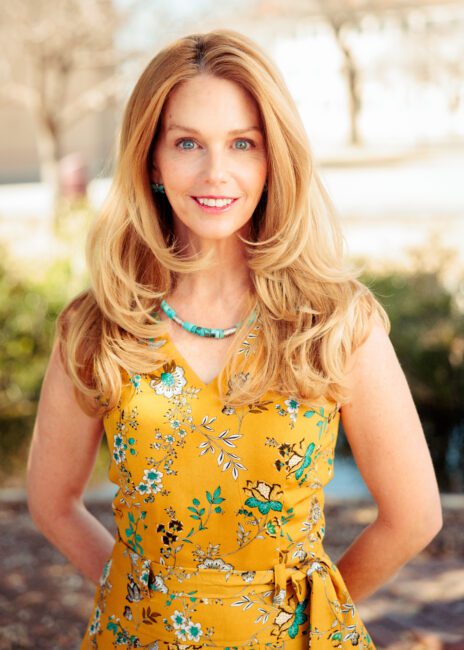
The irony is not lost on NMSU Professor Lori Keleher that even though her grandfather, William A. Keleher, was an NMSU regent, she is the only one of his 23 grandchildren that went to NMSU. Not only that, she has taught in the NMSU Department of Philosophy in the College of Arts and Sciences since 2008 and is the director of the Fellowship Office for the Conway Honors College.
Her work today builds on her grandfather’s legacy as she helps shape the global conversation about the human experience.
Development ethics
As an NMSU student, Lori thought she’d be a literature major — until a class with philosophy Professor Paul Sagal (now emeritus) “immediately stunned and captivated” her. “On the first day, we read Plato’s Meno, which asks: ‘Can virtue be taught?’ It was the most important question anyone had ever asked me,” she said.
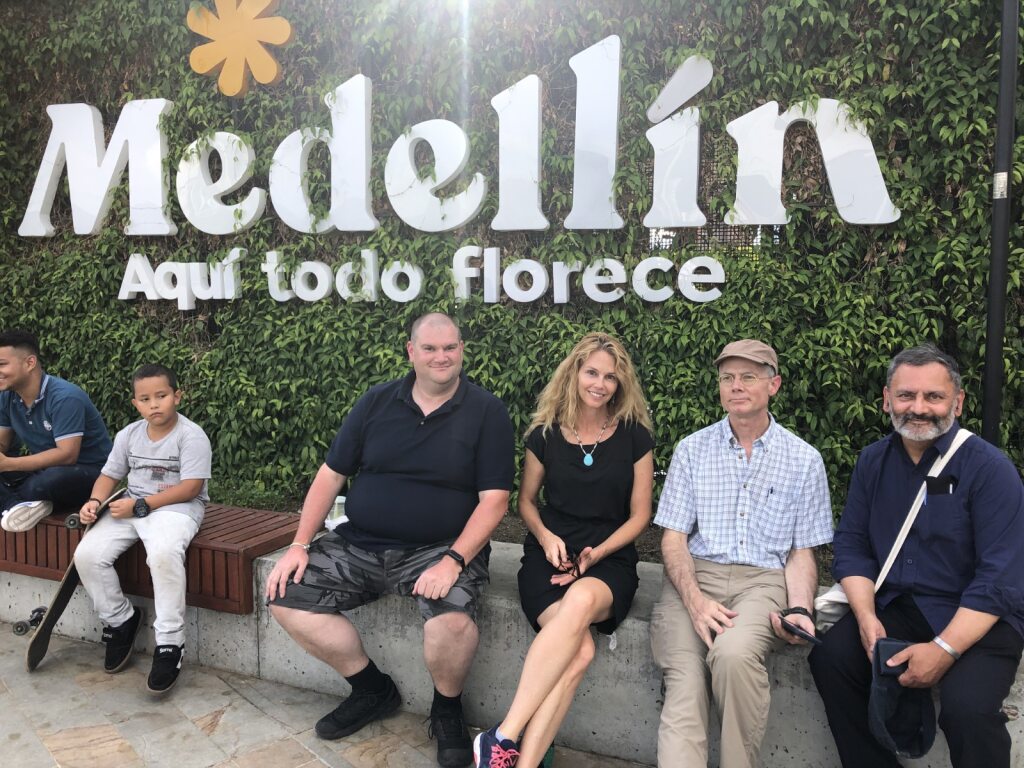
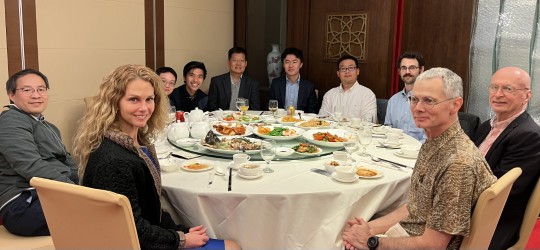
Today, Lori is a globally respected expert in the interdisciplinary field of development ethics. She has worked as a philosopher in 22 countries, including Zambia, Uganda, India, Moldova, China, Greece, Bulgaria, and Nicaragua, in addition to the United States.
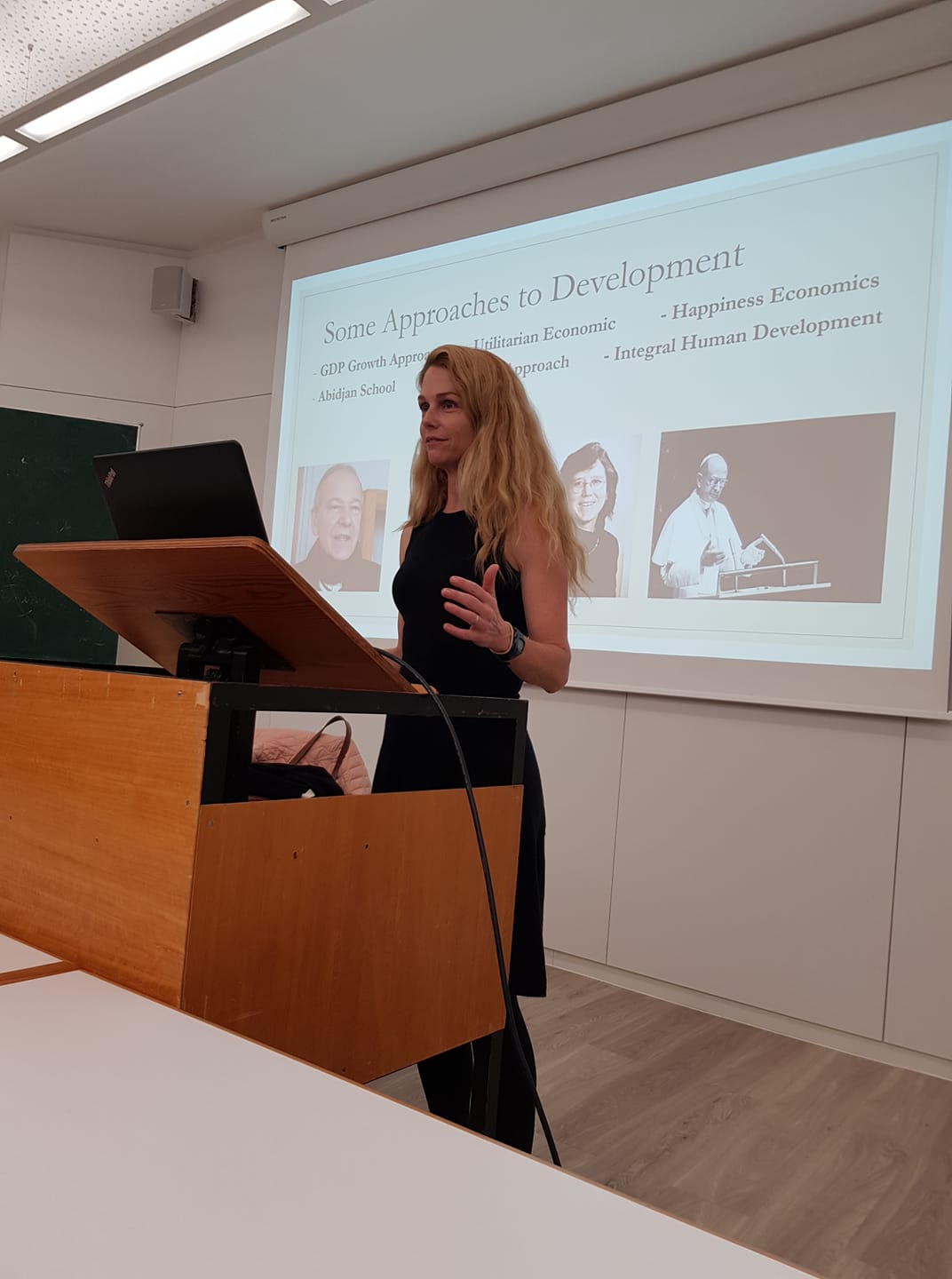
Development ethics engages with the ethical dimensions of the ends and means of economic development work. For example, while a country’s gross domestic product (GDP) is often used to indicate a country’s economic health, development ethicists argue in favor of using multidimensional, human-centered measurements instead. These types of measurements shift the metric away from the monetary value of production and toward the goal of giving people better lives and recognizing human dignity. Development ethicists are concerned with how factors like literacy rates, mortality rates, and levels of inequality contribute to individual and societal well-being. A well-known example of the application of development ethics is Bhutan’s Gross National Happiness Index.
“This work allows me to recognize human dignity across cultures. Even with our cultural differences, we all have the same basic human needs and foundational values: health, caring for our children, and the desire for freedom and agency over our own lives,” she said.
 |
 |
Application of development ethics
As important as they are, the contributions of philosophers are not always obvious. Development ethicists:
- Collaborate with other researchers and policymakers;
- Identify factors in a particular geopolitical situation that either enrich or diminish the well-being of individuals and society as a whole; and
- Develop strategies to bring about desired outcomes such as higher literacy, immunization, and employment rates and lower childhood mortality, displacement, and inequality.
For example, through the Center for Values in International Development, Lori collaborated with Chloe Schwenke, Ph.D., a development ethicist and practitioner and public policy professor at Georgetown University. Chloe has worked in more than 40 countries, including as a senior advisor to the U.S. Agency for International Development (USAID) appointed by President Obama.
Lori and Chloe worked together advising USAID on artificial intelligence (you can find Lori’s presentation titled “The Ethics of Artificial Intelligence in Humanitarian Response and International Development” here. “Whereas I addressed how AI fits in pragmatically, Lori elevated the conversation in terms of how it fits in in terms of USAID’s mission and moral foundation,” Chloe said. “People were a little puzzled at first — almost no one had ever met a philosopher before. But as a professor, she’s used to helping people get comfortable with difficult topics, which is an important skill. It’s harder than ever to engage in thoughtful moral discourse, and in our complementary work, we try to place development and humanitarian response — for example, relief work after a major disaster — in that moral context instead of merely a political and economical analysis.”
Lori is especially concerned with the many ways in which institutions protect and promote the recognition of human dignity. She explained, “Part of what we do is shine a light on what makes us all human. Across cultures, we may express ourselves differently, but we all want the same things: health, respect, safety, and to be agents of our own lives. We all have the same equal and inalienable human dignity. There may be cultural and institutional differences, but I am convinced that human nature is universal. The task of the development ethicist is to help policymakers craft laws and humanitarian interventions that facilitate respect for the human dignity of each person.”
As a professor, much of Lori’s time is spent preparing classes, teaching, and many administrative duties. However, she also devotes significant time to international research, outreach, and service.
For instance, Lori has presented her research on development ethics and policy to members of the United States Congress in the Freethought Congressional Caucus (2021) and again to USAID in an All-Agency presentation to 11,000 people (via Zoom 2022). Additionally, the French Agricultural Research Centre for International Development (CIRAD) invited Lori several times from 2016 – 2019 to consult on how power dynamics impact sustainable agricultural development.
|
|
|
|

Furthering the field
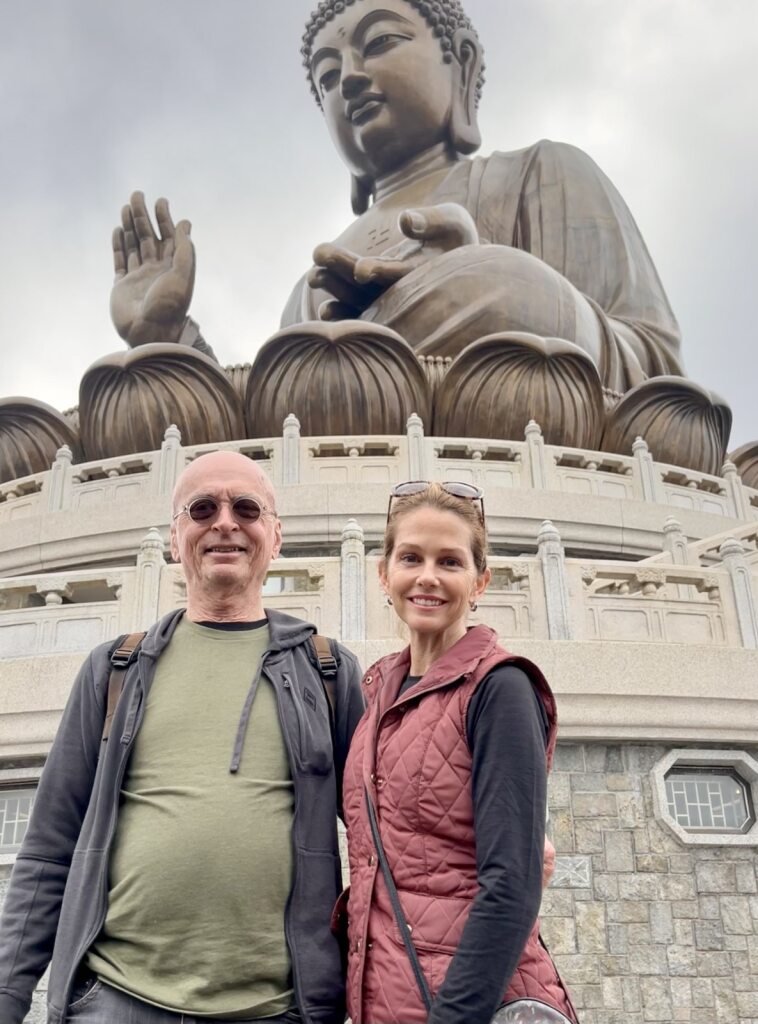
Producing research and establishing and maintaining relationships with other philosophers, policy experts, and government agencies at home and abroad is key to advancing development ethics.
Lori’s contributions to philosophy and the field of development ethics include three co-edited volumes: the Routledge Handbook of Development Ethics; Agency and Democracy in Development Ethics; and Lebret and the Projects of Économie Humaine, Integral Human Development, and Development Ethics.
She has published more than 30 articles; made over 100 presentations for academic and lay audiences; and organized more than 20 academic events including conferences, workshops, and webinars. Additionally, she has served as president of the International Development Ethics Association, senior advisor of Philosophy and Development Ethics at the Center for Values in International Development, and she is a Fellow of the Human Development and Capability Association.
Chloe observed that Lori’s motivation in furthering the field is clear. “She is consistently engaged in the notion that we are here for each other, and that shows in the ways that she reaches out, frames her communication, and asks questions. She opens doors to conversations that people are yearning to have.” And, Chloe noted, “We have found that the people who are the hungriest for these conversations are the young people who are new to international development. They are still idealistic. Lori holds up that idealism and tells them, ‘Don’t let it go, nurture it,’ and gives them reasons to keep it going. She gives them the language they need to cling tightly to their ideals.”
Lori said that her international work has also given her new ways of looking at the world: “It’s beautiful to witness humanity expressed in different ways. I work with people from other countries and other disciplines; they see things I don’t see and vice versa. Their perspectives allow me to see more, learn more, be a better teacher, a better scholar — and hopefully a better human being.”
This story first appeared in the Spring 2026 edition of Aggie Up! To view the full issue visit: alwaysanaggie.org/stories/aggieup-spring-2026.